Ulu Art Bay Freehold: HGB Ownership Explained
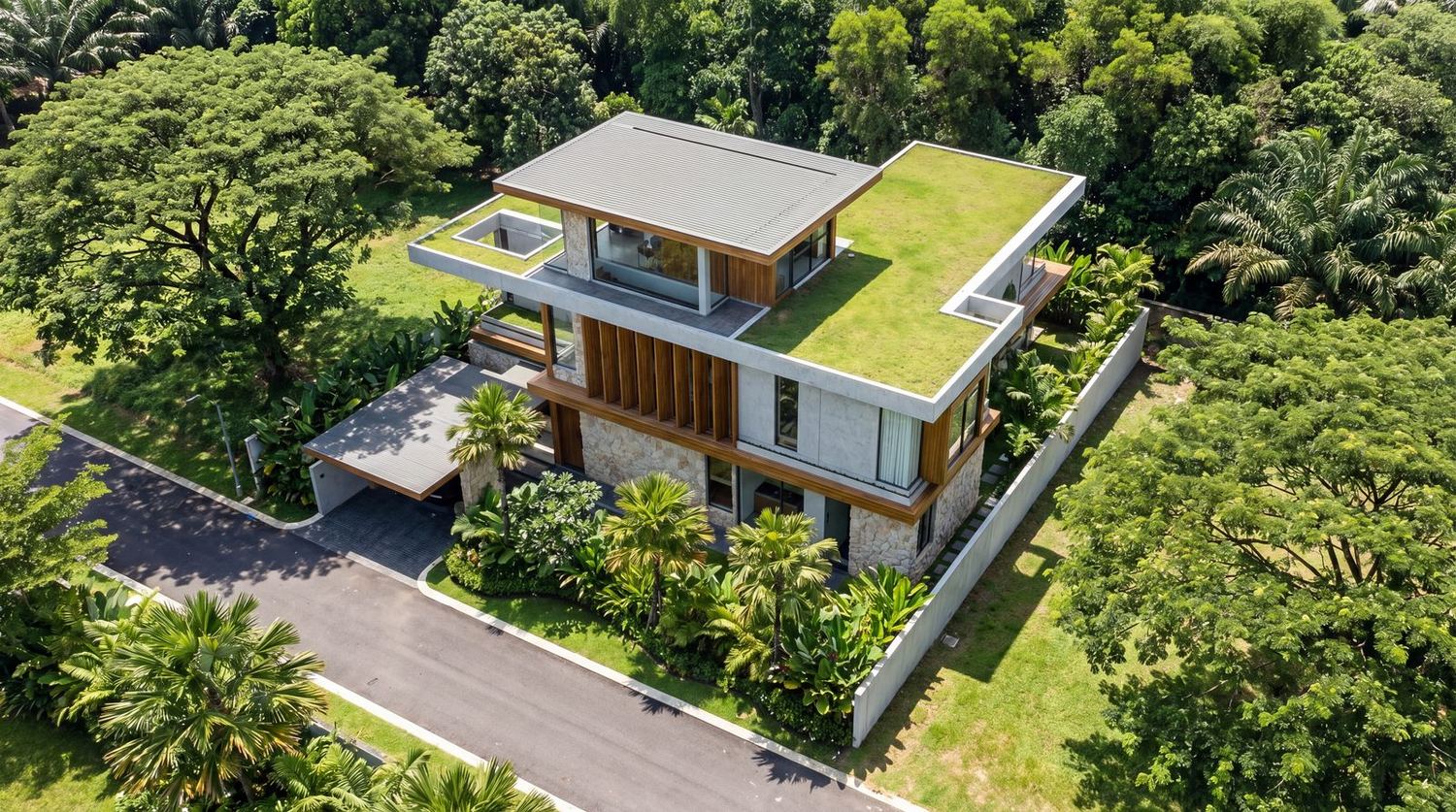
Freehold is the word that decides most buyers in Bali, and it is also the word that gets used most loosely. Ulu Art Bay is a freehold estate, and it is worth being precise about exactly what that means, because the honest answer is more reassuring than the vague one. Freehold here is a real, compliant ownership right held through a structure a foreign buyer controls, not a loophole and not a leasehold dressed up in a better word.
This guide explains freehold at Ulu Art Bay in plain terms: what HGB is, how a PT PMA and a Dubai SPV fit together, the role of BPN, the renewal cycle that makes HGB a long horizon rather than a countdown, and the legal partners who stand behind the whole arrangement.
What freehold means in Indonesia
Start with the honest foundation. In Indonesia the absolute freehold title, Hak Milik, is reserved for Indonesian citizens. A foreign buyer cannot hold it directly, and any project that implies otherwise is worth walking away from. What a foreign buyer can hold, through a company, is the strongest ownership right available to foreign investment, and in the market that right is what the word freehold describes.
At Ulu Art Bay that right is HGB, the Hak Guna Bangunan or Right to Build. It is a registered property right, not a rental and not a lease from a landlord. It gives the holder the right to own and use the buildings on the land, to let the property, to sell it and to pass it on. When the estate and the market call Ulu Art Bay freehold, this is what they mean, and being precise about it is the first sign of a serious project.
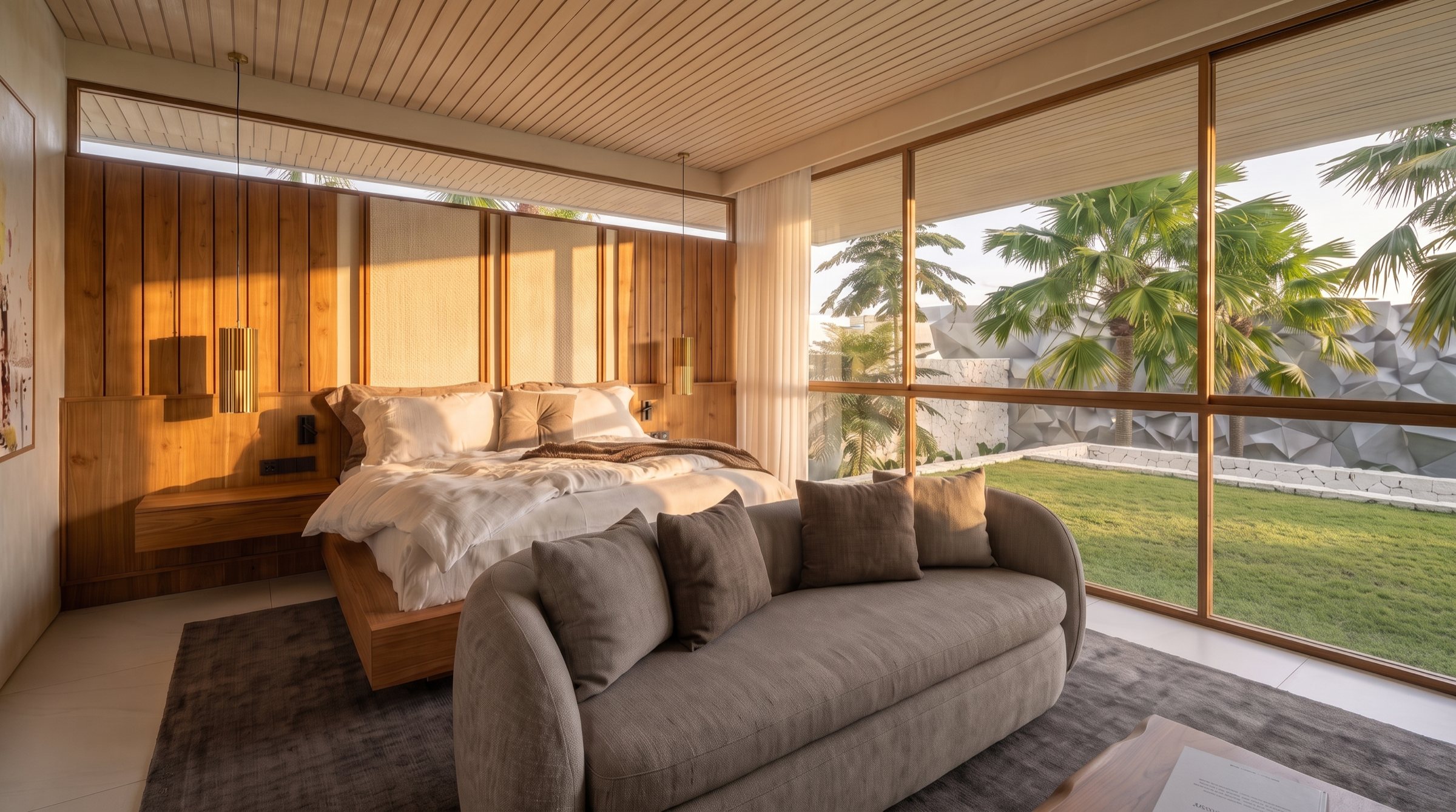
HGB, the Right to Build
HGB is the right to build on and use a parcel of land, and it is the standard title under which commercial and foreign-owned property is held across Indonesia. Hotels, resorts and apartment buildings sit on HGB. It is a well-worn, bankable right rather than an exotic one, which is exactly why it underpins a professionally structured estate like Ulu Art Bay.
The practical powers it gives an owner are the ones that matter for a villa. You own the villa, you can live in it, you can let it to guests, you can sell the asset, and you can leave it to your heirs. For a buyer whose plan is to hold a Uluwatu villa, earn a rental yield and exit at a gain, HGB delivers every right that plan requires.
The one feature that unsettles buyers at first glance is that HGB is granted for a term and then renewed. That is a feature of the title, not a flaw, and understanding the cycle is what turns a worry into a non-issue.
Thinking about a villa at Ulu Art Bay? Our team can walk you through availability, pricing and the freehold ownership structure.
EnquireThe cycle, not a countdown
HGB is issued for an initial term, then extended, then renewed, in a cycle that is designed to continue rather than to expire. The renewals are an administrative process tied to the land and the company that holds it, not an auction or a renegotiation with a landlord who can refuse. For a compliant holder with a registered title, the cycle is a formality that keeps the right running.
This is the single most important distinction to hold onto. A leasehold has a clock that runs down, and every year that passes makes the asset worth less as the term shortens. HGB works the other way. Because the right is renewed rather than consumed, the horizon stays long, and the asset is built to appreciate over decades rather than to decay toward an end date. Ulu Art Bay is explicitly a freehold estate for this reason. It is not leasehold, and the ownership is meant to compound over a genuinely long hold.
That is why the project talks in terms of a five year exit ladder and beyond rather than a race against a lease. The durability of the title is what makes the design quality and the location worth paying for in the first place, a point we pick up in the investment case.
The PT PMA you control
Because a foreign individual cannot hold the title directly, the HGB is held by a company, and at Ulu Art Bay that company is a PT PMA. A PT PMA is an Indonesian limited company set up for foreign investment, a recognised and regulated vehicle rather than a nominee arrangement. The buyer controls that company, which is the detail that separates real ownership from a borrowed name on a title.
The distinction is worth sitting with. In a nominee structure, an Indonesian individual holds the title on paper and the foreign buyer relies on a side agreement, which is both legally fragile and, in many cases, unenforceable. A PT PMA that the buyer controls removes that fragility. The company is the legal owner, the buyer controls the company, and the chain of control is documented and compliant. There is no name on the title that the buyer does not command.
Setting up and running that company is part of what Ulu Art Bay handles for the buyer through its managed offer, so the ownership vehicle, its tax and its accounting sit in-house rather than becoming the buyer's own administrative project.
BPN and the registered title
Ownership in Indonesia is only as good as its registration, and HGB titles are registered with BPN, the Badan Pertanahan Nasional or national land agency. BPN is the official land registry, and a title recorded there is a matter of public record rather than a private arrangement between parties.
Registration with BPN is what makes the right real and verifiable. It is the difference between an owner who can prove title from the national registry and one who holds a stack of contracts and hopes they hold up. For a buyer running due diligence, the BPN record is the anchor, the point at which the claimed ownership either checks out or does not. At Ulu Art Bay the HGB is registered with BPN as a matter of course, because the whole structure is built to be checked rather than taken on trust.
The Dubai SPV layer
Above the Indonesian company, the structure at Ulu Art Bay is layered through a Dubai SPV, a special purpose vehicle in the United Arab Emirates. For an international buyer this layer does useful work. It places the ownership of the PT PMA inside a well-understood, stable holding jurisdiction, which can simplify how the asset is held, transferred and, when the time comes, sold.
For many buyers the practical benefit shows up at exit. Selling the shares of a holding company can be cleaner than transferring the underlying title, and a recognised holding jurisdiction makes that process more familiar to an international buyer and their advisers. The point of the layer is not complexity for its own sake. It is to make a cross-border asset easier to own and easier to move on from. The full company and banking chain, including the OCBC and Emirates NBD banking relationships, is set out in the guide to the ownership structure.
The legal partners behind it
A structure like this is only as sound as the people who build it, and Ulu Art Bay uses established legal partners rather than handling the work in-house and hoping. The structure is built by ILA Global and Hoot Legal, with banking through OCBC and Emirates NBD. The buyer is not relying on the developer's goodwill to get the ownership right, but on named firms whose job is to get it right.
That separation matters for confidence. When the developer, the legal partners and the banks are distinct and named, a buyer can run proper due diligence on each one, and the transaction itself runs through notary-audited staged escrow rather than direct payment to the developer. The ownership and the money both sit behind independent checks, which is how a large cross-border purchase should be structured.
It also changes what a buyer is relying on. A good structure does not ask you to trust a sales team. It asks you to verify named firms, a registered title and an escrow account, each of which can be checked independently of the people selling the villa. That is the test a serious buyer should apply to any Bali project, and it is the standard Ulu Art Bay is built to pass.
How the purchase runs
In practice the ownership comes together alongside the purchase rather than as a separate project the buyer has to manage. Ulu Art Bay sells off-plan, a reservation is held with a 10 percent deposit, and the price climbs on a construction ladder to completion, so the reserved price is the lowest the villa carries.
Across that timeline the PT PMA is established, the Dubai SPV layer is set up, the HGB is registered with BPN, and staged payments run through notary-audited escrow to completion in September 2028. By handover the buyer owns a finished, furnished villa through a company they control, with a title registered at the national land agency. This is the backbone under every collection on the estate, from Villa Aura to the signature Villa Adonis.
Why freehold here is worth paying for
The ownership structure is not an administrative footnote to the villa. It is a large part of what the asset is worth. A freehold title held through a compliant, controllable structure is a more valuable and more sellable thing than a leasehold on a shortening clock or a nominee holding that cannot be defended, even where the physical house looks identical.
That is why freehold via HGB sits at the centre of the Ulu Art Bay proposition rather than in the small print. It is what makes the long hold worth taking, the design quality worth paying for and the exit worth planning. For a full view of how that durability turns into numbers, read the investment case, and for the company, SPV and banking chain in detail, the ownership structure.
If you want the ownership walked through for your own circumstances, the team can take you through the PT PMA, the SPV and the BPN registration step by step before you commit. To start that conversation, enquire with Ulu Art Bay.
Frequently asked questions
Is Ulu Art Bay freehold or leasehold?
Freehold. Ulu Art Bay is held freehold through HGB, the Hak Guna Bangunan or Right to Build, via a PT PMA the buyer controls and registered with BPN. It is not leasehold, and the title is built to be renewed over a long horizon rather than to run down.
What is HGB?
HGB, the Hak Guna Bangunan or Right to Build, is the strongest ownership right a foreign-controlled company can hold on land in Indonesia. It lets the holder own, use, let, sell and inherit the property, and it is the standard title for commercial and foreign-owned real estate.
Does an HGB title expire?
HGB is granted for a term and then extended and renewed in a cycle designed to continue. For a compliant holder with a title registered at BPN, renewal is an administrative process, not an auction, so the horizon stays long rather than counting down like a lease.
How does a foreign buyer own at Ulu Art Bay?
Through a PT PMA, an Indonesian foreign-investment company the buyer controls, layered via a Dubai SPV, with the title registered at BPN. The structure is built by ILA Global and Hoot Legal, with banking through OCBC and Emirates NBD.